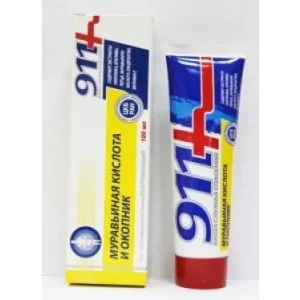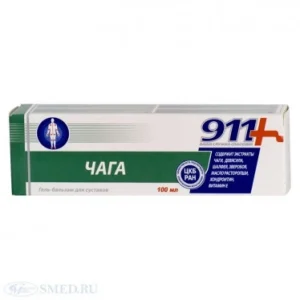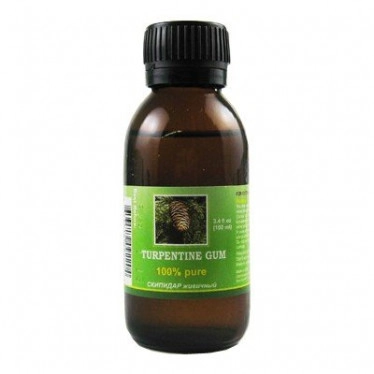
Turpentine Gum 100ml
$9.99
Turpentines therapeutic properties have been highly valued since ancient times. Turpentine has strong antimicrobial, expectorant and anti-inflammatory properties. Terpentine is used in inhalations for bronchitis, flue and quinsy. Due to its wound healing activity terpentine gum has a positive influence on bad ulcers, burns, scratches and mastitis. Nowadays turpentine baths are getting wide popularity. These baths are of great help for cardiovascular system disorders; osteoarticular system disorders (arthritis, rheumatism and osteochondrosis); urinary diseases (cystitis, pyelonephritis); liver and gall bladder problems (hepatitis, cholecystitis, cirrhosis); respiratory apparatus problems. The product is 100% natural and is made from the best herbs without dyes, additives and preservatives. Warning! Before using any herbal products, make sure that you have full knowledge of how the herb works and any adverse reaction it may cause.
Product Overview
Turpentine Gum
Turpentine gum, derived from the resin of pine trees, has been used for various purposes throughout history. It is known for its potential therapeutic properties, but it’s essential to use it cautiously and under proper guidance. Here are some key points about turpentine gum:
Key Uses and Considerations
- Traditional Uses: Turpentine gum has traditional uses that include its application in folk medicine practices.
- Potential Benefits: Some sources suggest that turpentine gum may have antimicrobial and anti-inflammatory properties.
- Caution: The use of turpentine gum requires caution and should be approached with care. Consultation with a healthcare professional is advisable.
How to Use Turpentine Gum
- Dilution: If using turpentine gum topically, it’s recommended to dilute it with a carrier oil to prevent skin irritation.
- External Application: Apply diluted turpentine gum externally to the desired area, following appropriate guidelines.
- Internal Use: Internal use should only be considered under the guidance of a qualified healthcare practitioner, if at all.
Please note: This information is provided for informational purposes only and should not replace professional medical advice.
Ingredients
- Turpentine (pine resin distillate) — primary active component derived from pine tree resin
- Alpha-pinene — main volatile terpene constituent
- Beta-pinene — secondary terpene component
- Camphene — minor terpene constituent
How To Take
For external use, dilute turpentine with a carrier oil before applying to the skin to avoid irritation. Apply the diluted mixture to the desired area as directed. For inhalation, add a small amount to hot water and inhale the vapours cautiously. Internal use should only be considered under strict medical supervision.
Shipping + Returns
Shipping
We currently ship within the United States. Most orders are processed within 1–2 business days and delivered in 3–7 business days with standard shipping. Shipping costs are calculated at checkout, and tracking information is provided once your order ships.
Returns
Unused, unopened items may be returned within 7 days of delivery in their original packaging with proof of purchase. Opened supplements, medications, and certain personal care items are non-returnable. If you receive a damaged or incorrect item, please contact us within 48 hours of delivery. Refunds are processed after the returned item has been inspected.
For questions, please contact us at support@vitaminka.com