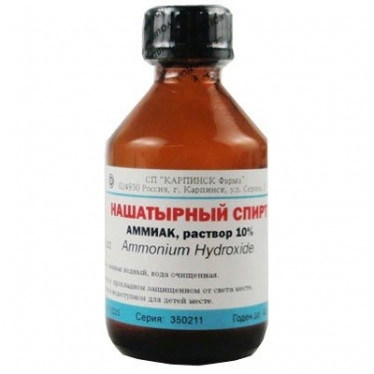
Ammonia
$7.99
Product Overview
Ingredients and Composition
Ammonia is a compound of nitrogen and hydrogen (NH3). It is a colorless gas with a pungent odor and is commonly used in household cleaning products and industrial processes. In its pure form, ammonia is highly toxic and can cause irritation to the eyes, nose, and throat.
Indications and Uses
Ammonia is commonly used as a cleaning agent and disinfectant. It can also be found in some pharmaceutical products, such as antiseptic wipes and cold packs. In industrial settings, ammonia is used in the manufacturing of fertilizers, plastics, and explosives.
Precautions and Side Effects
Exposure to high levels of ammonia can be harmful to human health. Inhalation of ammonia gas can cause irritation to the respiratory system, leading to coughing, wheezing, and shortness of breath. Ingestion or contact with concentrated ammonia can result in burns to the skin, eyes, and mucous membranes.
Conclusion
While ammonia has many practical uses, it is important to handle it with caution and follow proper safety guidelines. It is crucial to use protective gear, such as gloves and goggles, when working with ammonia, and to ensure adequate ventilation in areas where it is being used.
Note: This article is for informational purposes only and should not be considered medical advice.
Ingredients
- Ammonia solution 10% (ammonium hydroxide — active substance)
- Purified water
How To Take
For inhalation to stimulate breathing in fainting, briefly hold a cotton swab moistened with the solution near the nostrils (1–2 cm away) for a few seconds. For external use on insect bites or neuralgia, apply a small amount to the affected skin area. For surgical hand preparation, use according to established medical protocols. Avoid contact with mucous membranes and open wounds.
Shipping + Returns
Shipping
We currently ship within the United States. Most orders are processed within 1–2 business days and delivered in 3–7 business days with standard shipping. Shipping costs are calculated at checkout, and tracking information is provided once your order ships.
Returns
Unused, unopened items may be returned within 7 days of delivery in their original packaging with proof of purchase. Opened supplements, medications, and certain personal care items are non-returnable. If you receive a damaged or incorrect item, please contact us within 48 hours of delivery. Refunds are processed after the returned item has been inspected.
For questions, please contact us at support@vitaminka.com