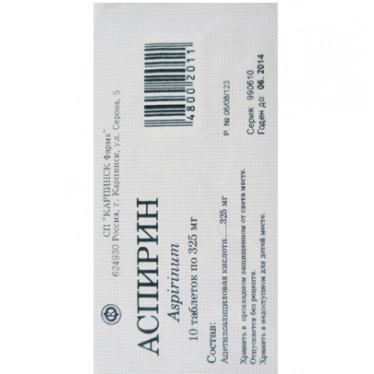
Aspirin #10
$5.99
Aspirin has anti-inflammatory, analgesic and anti-fever properties. Indications for Use: fevers (including flu and colds); pains in head, teeth, muscles, joints; migraine, neuralgia, neuritis, myositis, rheumatoid disorders, thrombosis, cardiac infarct prevention; stenocardia, varicose veins.
Product Overview
Aspirin Tablets: A Common Pain Relief and More
Aspirin, also known as acetylsalicylic acid (ASA), is one of the most widely used medications worldwide. It’s renowned for its pain-relieving, fever-reducing, and anti-inflammatory properties.
What Are Aspirin Tablets?
Aspirin tablets are a type of medication that contains aspirin as the active ingredient. They belong to a class of drugs known as nonsteroidal anti-inflammatory drugs (NSAIDs). Aspirin is available over-the-counter (OTC) and in prescription form, with varying dosages.
Uses of Aspirin Tablets
Aspirin tablets have several common uses:
- Pain Relief: Aspirin is often used to relieve mild to moderate pain, including headaches, dental pain, and muscle aches.
- Fever Reduction: It can help lower fever in individuals with infections or other medical conditions.
- Inflammation Reduction: Aspirin’s anti-inflammatory properties make it valuable for conditions like arthritis.
- Heart Health: Some people take low-dose aspirin daily to reduce the risk of heart attack and stroke.
How Aspirin Works
Aspirin works by inhibiting enzymes in the body that promote inflammation, pain, and fever. It achieves this by blocking the production of prostaglandins, which are hormone-like substances that contribute to these symptoms.
Precautions and Side Effects
While aspirin is generally safe when used as directed, it may cause side effects such as gastrointestinal irritation or bleeding, particularly when taken in high doses or over an extended period. Individuals with certain medical conditions, such as bleeding disorders, should use aspirin with caution or under medical supervision.
Conclusion
Aspirin tablets are a versatile medication with a long history of use for pain relief, fever reduction, and inflammation management. They also play a role in preventing cardiovascular events when taken at lower doses. However, it’s crucial to follow dosing instructions and consult with a healthcare professional when necessary.
Please note: This information is provided for informational purposes only and should not replace professional medical advice.
Ingredients
- Acetylsalicylic acid (Aspirin) — active ingredient
- Excipients: may include starch, cellulose, and other tablet-forming agents
How To Take
Take 1–2 tablets orally with a full glass of water, preferably after meals to reduce stomach irritation. The usual adult dose is 300–1000 mg every 4–6 hours as needed, not exceeding 4 g per day. For cardiovascular prevention, a low dose (75–150 mg daily) is typically used as directed by a physician. Do not use in children under 16 years of age without medical advice.
Shipping + Returns
Shipping
We currently ship within the United States. Most orders are processed within 1–2 business days and delivered in 3–7 business days with standard shipping. Shipping costs are calculated at checkout, and tracking information is provided once your order ships.
Returns
Unused, unopened items may be returned within 7 days of delivery in their original packaging with proof of purchase. Opened supplements, medications, and certain personal care items are non-returnable. If you receive a damaged or incorrect item, please contact us within 48 hours of delivery. Refunds are processed after the returned item has been inspected.
For questions, please contact us at support@vitaminka.com