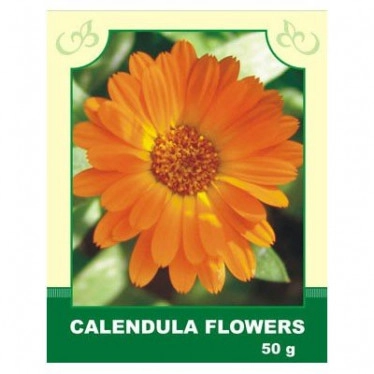
Calendula Flowers 25g
$6.20
Internally, it is taken for gastritis, enterocolitis, stomach and duodenal ulcers; for inflammatory diseases of the liver and kidneys; in the treatment of heart diseases accompanied by palpitations, edema, and shortness of breath. Method of application and dosage: 2 tablespoons of raw material are poured with 400 ml of boiling water, infused for 2 hours, strained, squeezing the plant material. The resulting infusion is brought to the original volume with boiled water. Take 1/2 cup 3 times a day. Externally, in the form of rinses, douching, enemas, and compresses, it is used for diseases of the mucous membrane of the mouth and throat, gingivitis, thrush in children; for conjunctivitis; for abundant whites in women; for the treatment of wounds, burns, and ulcers on the body, in oncology. 20-40 g of raw material is poured with 200 ml of boiling water, heated in a boiling water bath for 15 minutes, infused at room temperature for 45 minutes. Contraindications: individual intolerance, with low blood pressure.
Product Overview
Calendula Flower (Calendula officinalis) in Medicine
Calendula flower, also known as Calendula officinalis, has been used for centuries in traditional medicine for its healing properties. This vibrant orange flower is known for its anti-inflammatory, antiseptic, and astringent properties, making it a popular ingredient in various medicinal preparations.
Calendula is commonly used in herbal medicine to treat minor wounds, cuts, and abrasions. Its anti-inflammatory properties help reduce swelling and redness, while its antiseptic properties help prevent infection. Calendula-infused ointments and creams are often used to soothe and heal minor skin irritations, including sunburns and insect bites.
Calendula is also used in the treatment of skin conditions such as eczema and psoriasis. Its soothing and hydrating properties help relieve dry, itchy skin, while its antifungal properties can help combat fungal infections. Calendula extracts are often found in skincare products designed to promote skin health and healing.
In addition to its topical uses, Calendula is also used internally for its potential health benefits. It is often used as a natural remedy for digestive issues, such as ulcers and gastritis. Calendula tea is believed to help soothe and heal the digestive tract, while Calendula tinctures may be used to help alleviate menstrual cramps and regulate the menstrual cycle.
Calendula is also believed to have potential anti-cancer properties. Studies have shown that Calendula extracts may help inhibit the growth of certain cancer cells, although more research is needed to fully understand its potential in cancer treatment.
Overall, Calendula flower has a long history of use in traditional medicine for its healing properties. Whether used topically or internally, Calendula may offer various health benefits, making it a valuable herb in natural medicine.
Note: This article is for informational purposes only and should not be considered medical advice.
Ingredients
- Calendula flowers (Calendula officinalis) — dried flower heads
- Flavonoids (quercetin, isorhamnetin)
- Carotenoids (beta-carotene, lycopene)
- Essential oils and resins
- Tannins and polysaccharides
- Triterpene saponins
How To Take
Pour 2 tablespoons of calendula flowers into 400 ml of boiling water, steep for 2 hours, then strain, pressing the plant material. Bring the resulting infusion to the original volume with boiled water. Take 1/2 cup 2–3 times daily before meals for internal use. For external use, apply the infusion as a rinse or compress to affected skin areas.
Shipping + Returns
Shipping
We currently ship within the United States. Most orders are processed within 1–2 business days and delivered in 3–7 business days with standard shipping. Shipping costs are calculated at checkout, and tracking information is provided once your order ships.
Returns
Unused, unopened items may be returned within 7 days of delivery in their original packaging with proof of purchase. Opened supplements, medications, and certain personal care items are non-returnable. If you receive a damaged or incorrect item, please contact us within 48 hours of delivery. Refunds are processed after the returned item has been inspected.
For questions, please contact us at support@vitaminka.com