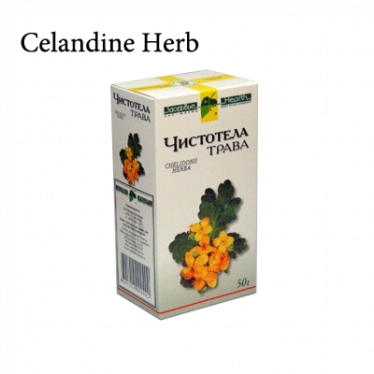
Celandine Herb 50g
$7.99
Internal use: Tansy treats hypertension, asthma, anemia, atherosclerosis, food poisoning, flu, soft tumors (fibroids), polyps in the colon, hemorrhoids, gastritis, goiter, gout, rheumatism, ulcers of the gastrointestinal tract, liver, gall bladder, kidneys, and heart muscle. Application and dosage: Place fresh herb in a 500 g jar, filling half of the volume. Pour boiling water, cover with a lid. (For an infusion of dry herb, fill 1/4 of the jar). After cooling, drink twice a day, 100 ml each time, 10-15 minutes before meals. The infusion color is dark, and the taste is bitter. External use: Infusions of the herb and root are used for baths, washes, and compresses for various skin conditions (rashes, lichen, boils), jaundice, purulent wounds, and ulcers. Infected, slow-healing ulcers and wounds are treated with a powder made from the leaves. Pour 30 g of raw material with 1 liter of boiling water, infuse for 3-4 hours, strain, and apply as directed. Contraindications: Individual intolerance, epilepsy, angina pectoris, bronchial asthma, neurological diseases. A poisonous plant that requires caution in use.
Product Overview
The Medicinal Uses of Celandine (Chelidonium majus)
Celandine, also known as Chelidonium majus, is a lesser-known herb that has been used in traditional medicine for centuries. This yellow flowering plant is native to Europe and Asia and has a long history of use in herbal remedies.
One of the most well-known uses of celandine is its use in treating various skin conditions. The sap of the plant has been used topically to treat warts, ringworm, and other skin irritations. It is believed to have antiviral and antimicrobial properties that make it effective in treating these conditions.
Celandine has also been used to treat digestive issues. It has been used as a natural remedy for liver and gallbladder problems, as well as for promoting healthy digestion. The herb is believed to have a cleansing effect on the liver and gallbladder, making it beneficial for those with liver and digestive issues.
In addition to its topical and digestive uses, celandine has also been used as a natural pain reliever. It has been used to alleviate the pain associated with conditions such as arthritis and migraines. Some studies have suggested that celandine may have anti-inflammatory properties, making it a potential natural remedy for pain and inflammation.
It is important to note that while celandine has a long history of use in traditional medicine, more research is needed to fully understand its medicinal properties and potential side effects. As with any herbal remedy, it is recommended to consult with a healthcare professional before using celandine as a medicinal treatment.
Note: This article is for informational purposes only and should not be considered medical advice.
Ingredients
- Celandine herb (Chelidonium majus) — dried aerial parts
- Active alkaloids: chelidonine, sanguinarine, berberine
- Flavonoids and organic acids
- Essential oils
- Saponins and tannins
How To Take
For internal use, place fresh herb to fill half of a 500 ml jar and cover with boiling water; steep and strain before use. Typical decoctions or infusions are taken 1–3 times daily before meals in small doses. For external use, apply the infusion or juice directly to the affected skin area. Always consult a healthcare professional before use, as celandine is a potent herb with possible side effects.
Shipping + Returns
Shipping
We currently ship within the United States. Most orders are processed within 1–2 business days and delivered in 3–7 business days with standard shipping. Shipping costs are calculated at checkout, and tracking information is provided once your order ships.
Returns
Unused, unopened items may be returned within 7 days of delivery in their original packaging with proof of purchase. Opened supplements, medications, and certain personal care items are non-returnable. If you receive a damaged or incorrect item, please contact us within 48 hours of delivery. Refunds are processed after the returned item has been inspected.
For questions, please contact us at support@vitaminka.com