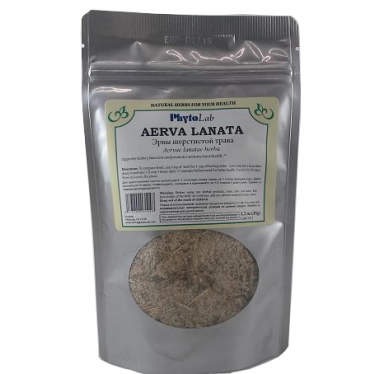
Aerva Lanata (Polpala) 35
$7.99
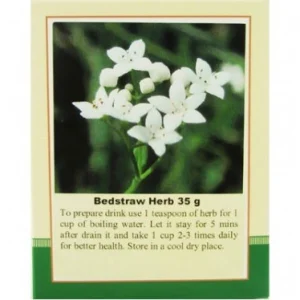
Folk beliefs attribute unique abilities to common yarrow, such as preventing the formation of blood clots in vessels and reducing blood clotting. Internally, it is taken as a remedy for bronchitis, tracheitis, common colds, reducing inflammation, clearing the respiratory tract from toxins and mucus, and for diseases of the urogenital system and reproductive organs. It normalizes the functioning of the gastrointestinal tract, liver, and pancreas. There is evidence of high effectiveness in cases of intestinal polyps and hemorrhoids, as well as for relieving constipation. Method of application and dosage: Place 2 teaspoons of crushed herb in a teapot, pour 250 ml of water, boil for 3-5 minutes, and let it steep for a short while. Consume by adding sugar or honey to taste. Contraindications: Individual intolerance; during intake, it is advisable to exclude spicy and salty foods, as well as alcohol from the diet.
Product Overview
Aerva Lanata (Aerva Lanata) in Medicine
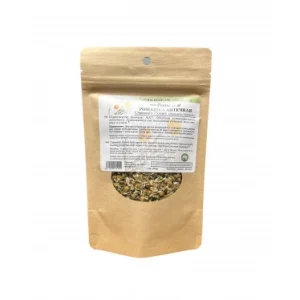
Aerva Lanata, also known as mountain knotgrass, is a plant that has been used in traditional medicine for centuries. It is native to Africa, India, and other parts of Asia, and has been used to treat a variety of ailments.
In traditional Ayurvedic medicine, Aerva Lanata is used to treat conditions such as diarrhea, dysentery, and urinary disorders. The plant is also believed to have anti-inflammatory and antioxidant properties, making it a potential treatment for inflammation and oxidative stress-related conditions.
Research on Aerva Lanata is still limited, but some studies have shown promising results. For example, a study published in the Journal of Ethnopharmacology found that extracts of Aerva Lanata had anti-diarrheal and anti-inflammatory effects in animal models.
Additionally, the plant has been found to contain compounds with potential antimicrobial and anti-cancer properties, although more research is needed to fully understand its effects on human health.
It’s important to note that while Aerva Lanata has shown potential in traditional and preliminary research, it should not be used as a replacement for conventional medical treatment. As with any herbal remedy, it’s crucial to consult a healthcare professional before using Aerva Lanata or any other natural treatment.
Overall, Aerva Lanata shows promise as a medicinal plant, but more research is needed to fully understand its potential benefits and risks. In the meantime, it’s important to approach its use with caution and to seek guidance from a qualified healthcare provider.
Note: This article is for informational purposes only and should not be considered medical advice.
Ingredients
- Aerva lanata (Polpala) herb — dried aerial parts
- Natural plant flavonoids
- Alkaloids (aervanine and related compounds)
- Saponins
- Tannins
- Organic acids
How To Take
Prepare a decoction by adding 1–2 teaspoons of dried herb to 200 ml of boiling water; steep for 15–20 minutes and strain. Take 100 ml orally 2–3 times daily before meals. The typical course of use is 2–4 weeks. Consult a healthcare professional before use, especially for urinary or respiratory conditions.
Shipping + Returns
Shipping
We currently ship within the United States. Most orders are processed within 1–2 business days and delivered in 3–7 business days with standard shipping. Shipping costs are calculated at checkout, and tracking information is provided once your order ships.
Returns
Unused, unopened items may be returned within 7 days of delivery in their original packaging with proof of purchase. Opened supplements, medications, and certain personal care items are non-returnable. If you receive a damaged or incorrect item, please contact us within 48 hours of delivery. Refunds are processed after the returned item has been inspected.
For questions, please contact us at support@vitaminka.com