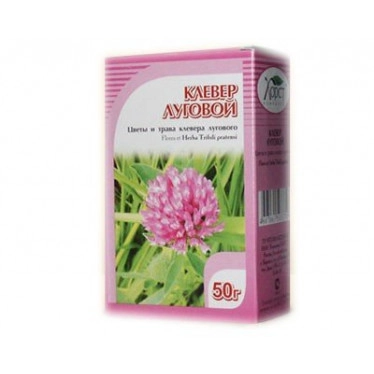
Clover
$8.99
Internally, it is taken as an expectorant for upper respiratory tract diseases; as an effective remedy for treating bronchial asthma, anemia, cystitis, dysmenorrhea, and chronic rheumatism; as a diuretic for edema of cardiac and renal origin. Method of application and dosage: Steep 3 teaspoons of crushed dry inflorescences in 250 ml of boiling water, infuse for 1 hour. Strain and take 1/4 cup 4 times a day 20 minutes before meals. To prepare the tincture, take 40 g of dry inflorescences and pour 500 ml of 40% vodka. Infuse for 10 days in a dark place, strain, and take 20 ml before lunch or bedtime. Externally, meadow clover is applied as poultices, decoctions, and infusions for abscesses, burns, and joint pain. Contraindications: individual intolerance and high blood pressure.
Product Overview
The Medicinal Uses of Red Clover (Trifolium pratense)
Red Clover, scientifically known as Trifolium pratense, is a flowering plant that has been used for medicinal purposes for centuries. It is a member of the legume family and is commonly found in Europe, Western Asia, and Northwest Africa. Red Clover is known for its bright pink flowers and its potential health benefits.
Benefits of Red Clover in Medicine
Red Clover has gained attention in the medical community due to its potential health benefits. It contains isoflavones, which are compounds that have estrogen-like effects. These isoflavones may help alleviate symptoms of menopause, such as hot flashes and night sweats. Additionally, red clover has been studied for its potential to support cardiovascular health and bone density. Some studies have also indicated that red clover may have anti-inflammatory and anti-cancer properties, although more research is needed to confirm these effects.
Forms of Red Clover in Medicine
Red Clover is available in various forms for medicinal use. It can be consumed as a tea, tincture, or capsule. Some individuals may also use red clover topically in the form of a cream or ointment. It is important to consult with a healthcare professional before using red clover, especially if you are pregnant, breastfeeding, or taking medications.
Considerations and Precautions
While red clover may offer potential health benefits, it is important to exercise caution when using this herb. Some individuals may experience allergic reactions to red clover, and it has the potential to interact with certain medications. Additionally, individuals with hormone-sensitive conditions such as breast cancer, uterine fibroids, or endometriosis should avoid using red clover. Consulting with a healthcare provider before using red clover can help mitigate any potential risks.
Conclusion
Red Clover, or Trifolium pratense, has been used in traditional medicine for various health concerns. While research on its medicinal properties is ongoing, some evidence suggests that it may offer benefits for menopausal symptoms, cardiovascular health, and bone density. However, it is important to use red clover under the guidance of a healthcare professional to ensure its safe and effective use.
Note: This article is for informational purposes only and should not be considered medical advice.
Ingredients
- Dried red clover flower heads (Trifolium pratense)
- Isoflavones (natural phytoestrogens)
- Flavonoids
- Coumarins
- Essential oils
- Vitamins (C, B group)
- Minerals (calcium, magnesium)
How To Take
Pour 3 teaspoons of crushed dry flower heads with 250 ml of boiling water and steep for 1 hour, then strain. Take the prepared infusion orally 3 times daily before meals. Use as an expectorant for upper respiratory tract conditions, or as directed by a healthcare professional. Do not exceed the recommended dosage.
Shipping + Returns
Shipping
We currently ship within the United States. Most orders are processed within 1–2 business days and delivered in 3–7 business days with standard shipping. Shipping costs are calculated at checkout, and tracking information is provided once your order ships.
Returns
Unused, unopened items may be returned within 7 days of delivery in their original packaging with proof of purchase. Opened supplements, medications, and certain personal care items are non-returnable. If you receive a damaged or incorrect item, please contact us within 48 hours of delivery. Refunds are processed after the returned item has been inspected.
For questions, please contact us at support@vitaminka.com