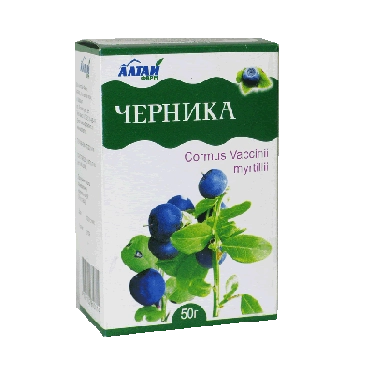
Bilberries
$7.99
Internal use: Taken for gastric and intestinal catarrhs with reduced acidity of gastric juice, stomach upset, diarrhea, and chronic constipation, spasms and pains in the stomach and intestines, kidney and bladder stones, gout, and rheumatism. Particularly effective for diarrhea in children and acute enterocolitis in adults. Bilberry berries enhance sharpness of vision, provide an increase in the field of vision, and reduce eye fatigue from prolonged work under artificial light. Method of application and dosage: 3-4 teaspoons of berries are poured with 400 ml of boiling water, infused for 2-3 hours, and taken in 1/4 cup 5-6 times a day. External use: Infusion is used for enemas in case of hemorrhoidal bleeding, eczema, pimples, and burns. 1-2 teaspoons of berries are poured with 200 ml of boiling water, infused for 15 minutes, strained, squeezed out, and used for rinsing, lotions, and enemas. Contraindications: Individual intolerance.
Product Overview
The Health Benefits of Bilberry Berry in Medicine
Bilberry berry, also known as Vaccinium myrtillus, is a small, dark blue fruit that is closely related to the blueberry. It has been used for centuries in traditional medicine for its potential health benefits. In recent years, research has provided evidence to support the use of bilberry in modern medicine.
Antioxidant Properties
Bilberry berries are rich in antioxidants, particularly anthocyanins, which are responsible for its deep blue color. These antioxidants help protect the body from oxidative stress and inflammation, which are underlying factors in many chronic diseases.
Eye Health
One of the most well-known uses of bilberry in medicine is for improving eye health. The antioxidants in bilberry help to protect the eyes from damage caused by free radicals, which may reduce the risk of age-related macular degeneration and cataracts.
Cardiovascular Health
Research suggests that the compounds found in bilberry may help improve cardiovascular health by reducing inflammation and improving blood flow. This could potentially lower the risk of heart disease and stroke.
Diabetes Management
Some studies have shown that bilberry may have a positive impact on blood sugar levels, making it a potential aid in diabetes management. It may help lower blood sugar levels and improve insulin sensitivity.
Anti-Inflammatory Effects
Bilberry has been used traditionally to reduce inflammation in the body. Research has shown that it may be effective in reducing inflammation, making it a potential treatment for conditions such as arthritis and other inflammatory diseases.
While bilberry berry shows promise in medicine, it is important to note that more research is needed to fully understand its potential health benefits and the best ways to incorporate it into medical treatments. As with any herbal remedy, it is important to consult with a healthcare professional before using bilberry for medicinal purposes.
Note: This article is for informational purposes only and should not be considered medical advice.
Ingredients
- Dried bilberry fruits (Vaccinium myrtillus)
- Anthocyanins (natural pigments/antioxidants)
- Vitamins C, B1, B2, PP
- Minerals: potassium, calcium, iron, phosphorus
- Tannins and pectin substances
- Organic acids (citric, malic, oxalic)
How To Take
Prepare an infusion by pouring 200–400 ml of boiling water over 1–2 tablespoons of dried bilberries and steeping for 15–20 minutes. Take orally 1/2 cup 3–4 times daily before meals. For digestive disorders in children, use smaller doses as recommended by a physician. Course duration and dosage should be determined individually.
Shipping + Returns
Shipping
We currently ship within the United States. Most orders are processed within 1–2 business days and delivered in 3–7 business days with standard shipping. Shipping costs are calculated at checkout, and tracking information is provided once your order ships.
Returns
Unused, unopened items may be returned within 7 days of delivery in their original packaging with proof of purchase. Opened supplements, medications, and certain personal care items are non-returnable. If you receive a damaged or incorrect item, please contact us within 48 hours of delivery. Refunds are processed after the returned item has been inspected.
For questions, please contact us at support@vitaminka.com