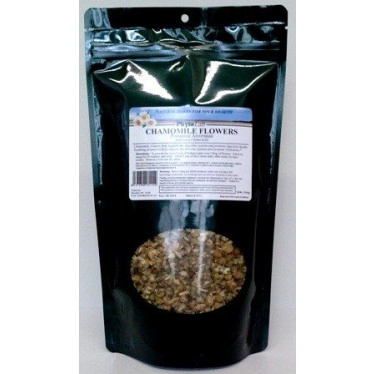
Chamomile Flowers 1/4 lb
$10.99
Description. Chamomile has been known of since ancient times and has been called the plant’s physician because ailing garden plants recover when it is planted close to them. Chamomile is one of the most widely used ingredients in herbal teas worldwide. An infusion of the flowers is taken internally as an anodyne, anti-inflammatory, antiseptic, antispasmodic, carminative, cholagogue, diaphoretic, emmenagogue, febrifuge, sedative, stomachic, tonic and stimulating metabolism. In particular it is an excellent herb for various digestive disorders, nervous tension and irritability and is also used externally for skin problems. Use. An infusion is particularly useful as a stomachic, nervine and sedative for young children, especially when they are teething. It is also used for irritable bowel syndrome, peptic ulcers and hiatus hernia. In large doses, or when taken regularly for several times each day, the tea can be emetic and can also cause the symptoms it is intended to cure. The flowers are also used externally to treat wounds, sunburn, burns, hemorrhoids, mastitis and leg ulcers. We believe that every home should have therapeutic chamomile in their medicine cupboard – especially where there are young children. Warning! Before using any herbal products, make sure that you have full knowledge of how the herb works and any adverse reaction it may cause.
Product Overview
Chamomile Flowers in Medicine
Chamomile, with its daisy-like flowers, has been used for centuries in traditional medicine. It is a powerhouse of health benefits and has been used to treat a variety of ailments, including insomnia, anxiety, digestive issues, and skin conditions.
Chamomile flowers contain many active compounds, including flavonoids, terpenoids, and antioxidants, which contribute to its medicinal properties. It is known for its anti-inflammatory, antioxidant, and mild sedative effects.
Chamomile tea, made from the dried flowers, is a popular remedy for promoting relaxation and improving sleep quality. It can help alleviate insomnia, anxiety, and stress. In addition to its calming effects, chamomile tea also aids in digestion, relieves stomach cramps, and reduces nausea.
The anti-inflammatory properties of chamomile make it an effective topical treatment for skin conditions such as eczema, psoriasis, and sunburn. It can soothe irritated skin, reduce redness, and promote healing. Chamomile essential oil is also used in aromatherapy to reduce anxiety and promote relaxation.
Chamomile flowers can be used in various forms, including teas, tinctures, extracts, and essential oils. It is important to note that while chamomile is generally safe for most people, those with allergies to plants in the Asteraceae family, such as ragweed, should avoid chamomile as it may cause an allergic reaction.
It is always best to consult with a healthcare professional before using chamomile as a medicinal remedy, especially if you are pregnant, nursing, or taking prescription medications. While chamomile has many health benefits, it is not a substitute for medical treatment and should be used as a complementary therapy under the guidance of a qualified healthcare provider.
Note: This article is for informational purposes only and should not be considered medical advice.
Ingredients
- Chamomile flowers (Matricaria chamomilla)
- Essential oil (chamazulene, cadinene)
- Flavonoids
- Organic acids (nicotinic, ascorbic, salicylic, isovaleric, caprylic, anthemic)
- Coumarins
- Carotene, choline, phytosterols
- Mucilages, sugars, protein substances
How To Take
Pour 1 tablespoon of chamomile flowers into 200 ml of boiling water and steep for 15–20 minutes, then strain. Drink 2–3 tablespoons 3–4 times daily before meals for internal use. For external use, prepare a stronger infusion and apply as compresses or rinses to the affected area.
Shipping + Returns
Shipping
We currently ship within the United States. Most orders are processed within 1–2 business days and delivered in 3–7 business days with standard shipping. Shipping costs are calculated at checkout, and tracking information is provided once your order ships.
Returns
Unused, unopened items may be returned within 7 days of delivery in their original packaging with proof of purchase. Opened supplements, medications, and certain personal care items are non-returnable. If you receive a damaged or incorrect item, please contact us within 48 hours of delivery. Refunds are processed after the returned item has been inspected.
For questions, please contact us at support@vitaminka.com