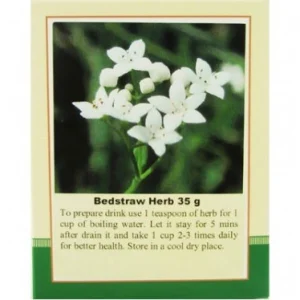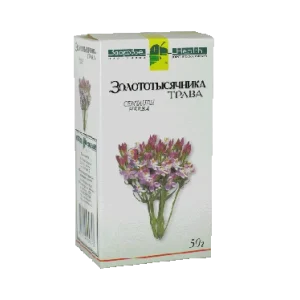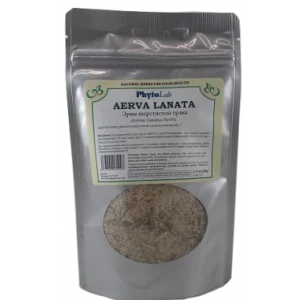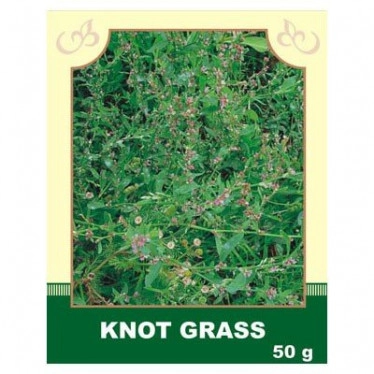
Knot Grass 50g
$7.99
Description.Salmon stated: ‘Knotgrass is peculiar against spilling of blood, strangury and other kidney affections, it cools inflammations, heals wounds and cleanses and heals old filthy ulcers. The chemical composition of Knot grass is complex. The herb is considered to be a treasure of protein, cellulose, tannins and sugars. It also contains phosphor, calcium, zinc, ascorbic acid, silicon and carotin. That is why it is not a surprise that knotgrass is popular with physicians and dietitians. The plant is used as it is astringent, anti inflammatory, diuretic, antiseptic, anesthetic, expectorative, cholagogic, laxative, wound healing and febrifuge. Use. Knotgrass is used for colds, bronchitis, pneumonia, coughs, asthma, tuberculosis, insomnia, mouth inflammations, gastritis, skin diseases, stomach disorders and stomach ulcers. The herb is considered to be of great help for respiratory apparatus and female breeding organs. Many women cured sterility after drinking knotgrass as tea for some time. Knotgrass prevents the formation of urinary stones. Due to presence of tannins this herb is of great value for fortifying blood vessels and for gastrointestinal tract. Attention! Before using any herbal products, make sure that you have full knowledge of how the herb works and any adverse reaction it may cause.
Product Overview
Grass Knot in Traditional Medicine: Uses and Benefits
The use of grass knots in traditional medicine has a long history, with various cultures incorporating them into their healing practices. Grass knots, often derived from specific types of grasses or plants, have been valued for their potential medicinal properties and therapeutic effects.
Key Uses:
Grass knots have been used in traditional medicine for:
- Pain Relief: Some cultures apply grass knots as poultices or compresses to provide relief from muscular pain, joint discomfort, and headaches.
- Anti-Inflammatory: Grass knots are believed to have anti-inflammatory properties and are used to reduce inflammation in various parts of the body.
- Wound Healing: In some traditional practices, grass knots are used to aid in wound healing and to minimize the risk of infection.
- Skin Conditions: Infusions or extracts of grass knots have been applied topically to address skin conditions such as rashes, irritation, and minor infections.
- Digestive Health: Grass knot preparations are sometimes ingested to support digestive health and alleviate gastrointestinal discomfort.
Preparation and Application:
Depending on the tradition, grass knots may be prepared and applied in various ways:
- Poultices: Grass knots are often crushed or ground to create poultices that can be applied directly to the skin over affected areas.
- Infusions: Boiling grass knots in water to create infusions or decoctions that can be consumed or used as washes.
- Compresses: Soaked grass knot compresses can be placed on wounds, bruises, or inflamed areas to promote healing.
Modern Research and Considerations:
While grass knots have been used in traditional medicine for generations, scientific research on their efficacy is limited. It’s important to note that:
- Evidence: Modern medical research and clinical trials are needed to validate the claimed benefits of grass knots.
- Caution: Before using grass knots for medicinal purposes, consult with a healthcare professional, especially if you have allergies or existing medical conditions.
- Local Practices: Grass knots are often used based on traditional knowledge and practices. Respect cultural traditions while making informed choices.
Conclusion:
Grass knots have a rich history in traditional medicine and are valued for their potential healing properties. While more research is needed to confirm their efficacy, their use reflects the deep connection between nature and human health in diverse cultures.
Before incorporating grass knots or any traditional remedies into your healthcare routine, seek guidance from qualified healthcare professionals to ensure safety and effectiveness.
Ingredients
- Polygonum aviculare (Knot Grass) herb — dried aerial parts
- Flavonoids (avicularin, quercetin)
- Tannins
- Silicic acid compounds
- Ascorbic acid (Vitamin C)
- Carotenoids
- Organic acids
How To Take
Prepare an infusion by steeping 1–2 tablespoons of dried herb in 200 ml of boiling water for 15–20 minutes, then strain. Take 1/3 cup (approximately 70 ml) orally 2–3 times daily before meals. For external use, apply cooled infusion as a wash or compress to affected skin areas. Do not exceed the recommended dosage without medical advice.
Shipping + Returns
Shipping
We currently ship within the United States. Most orders are processed within 1–2 business days and delivered in 3–7 business days with standard shipping. Shipping costs are calculated at checkout, and tracking information is provided once your order ships.
Returns
Unused, unopened items may be returned within 7 days of delivery in their original packaging with proof of purchase. Opened supplements, medications, and certain personal care items are non-returnable. If you receive a damaged or incorrect item, please contact us within 48 hours of delivery. Refunds are processed after the returned item has been inspected.
For questions, please contact us at support@vitaminka.com