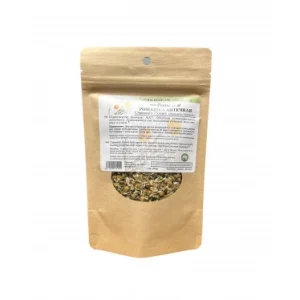
Comfrey Herb 50g
$7.99
Internal use: Take internally the infusion of the roots for gastrointestinal diseases: diarrhea, dysentery, chronic catarrh of the intestines, stomach and intestinal ulcers, chronic catarrh of the respiratory organs with abundant sputum, hemoptysis, bleeding, paralysis, various skin diseases, ulcers, and wounds with simultaneous external application. The infusion and decoction of the roots have the remarkable property of enhancing the regeneration of various tissues, dulling pain, and promoting faster bone healing in fractures. Method of application and dosage: Pour 1 tablespoon of marsh cinquefoil with 1 glass of boiling water, infuse in a warm place for 4-6 hours, strain through a dense fabric. Take 2 tablespoons 6 times a day before meals. Tincture: Pour 1 tablespoon of finely chopped roots with 100 ml of vodka and infuse for 10 days. Take 15-20 drops 3 times a day. Externally, the infusion of the roots is used for baths, washing, and compresses for fractures, dislocations, bruises, joint pain, jaundice, various skin diseases, and especially for the treatment of old, poorly healing wounds and ulcers. The alcohol tincture of the roots is used for anti-inflammatory and analgesic compresses. Contraindications: Individual intolerance, during pregnancy and lactation. It is a poisonous plant, requires caution and strict dosage in consumption.
Product Overview
Comfrey Root (Symphytum) in Medicine
Comfrey root, also known as Symphytum, has been used for centuries as a medicinal herb. With its potential to promote healing and reduce inflammation, comfrey root has been a staple in traditional medicine practices around the world.
One of the key components of comfrey root is allantoin, a substance known for its ability to stimulate cell regeneration. This makes comfrey root particularly effective in promoting the healing of wounds, bruises, and other skin conditions. Additionally, comfrey root has been used to alleviate muscle and joint pain, making it a popular choice for those suffering from arthritis and other inflammatory conditions.
Comfrey root can be used in various forms, including as a tea, poultice, or ointment. Its versatility and effectiveness have made it a go-to remedy for those looking for natural alternatives to traditional medicine.
When using comfrey root, it is important to note that it should only be used topically and not ingested, as it contains compounds that can be toxic to the liver when consumed internally. Additionally, individuals with liver disease, pregnant or nursing women, and small children should avoid using comfrey root due to its potential risks.
In conclusion, the healing properties of comfrey root make it a valuable asset in the world of natural medicine. Its ability to promote healing and reduce inflammation has solidified its place as a trusted remedy for a variety of ailments. However, it is crucial to use comfrey root with caution and under the guidance of a healthcare professional to ensure its safe and effective use.
Note: This article is for informational purposes only and should not be considered medical advice.
Ingredients
- Dried comfrey herb (Symphytum officinale)
- Allantoin
- Flavonoids
- Tannins
- Essential oils
- Rosmarinic acid
- Mucilage (polysaccharides)
How To Take
For internal use, prepare an infusion from comfrey roots: steep 1 tablespoon of dried herb in 200 ml of boiling water for 20–30 minutes, strain, and take 1–2 tablespoons 3–4 times daily before meals. For external use, apply compresses or poultices with the cooled infusion to affected skin areas, wounds, or joints. Long-term internal use is not recommended without medical supervision due to pyrrolizidine alkaloid content.
Shipping + Returns
Shipping
We currently ship within the United States. Most orders are processed within 1–2 business days and delivered in 3–7 business days with standard shipping. Shipping costs are calculated at checkout, and tracking information is provided once your order ships.
Returns
Unused, unopened items may be returned within 7 days of delivery in their original packaging with proof of purchase. Opened supplements, medications, and certain personal care items are non-returnable. If you receive a damaged or incorrect item, please contact us within 48 hours of delivery. Refunds are processed after the returned item has been inspected.
For questions, please contact us at support@vitaminka.com