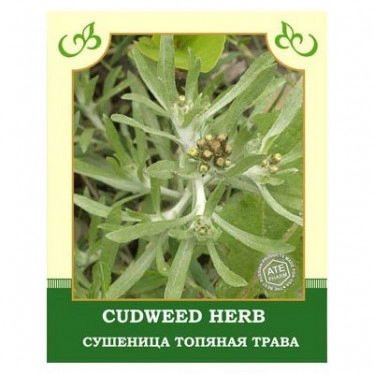
Cudweed Herb 35g
$7.99
Internally: Taken for stage II hypertension, angina, atherosclerosis; added to herbal blends for peptic ulcer of the stomach and duodenum, gastritis with increased and decreased acidity, ulcerative colitis, as well as in diabetes and tuberculosis. Method of application and doses: 2 tablespoons of raw material are poured with 200 ml of boiling water, boiled in a water bath for 15 minutes, infused at room temperature for 45 minutes, strained, squeezing out the remaining raw material. The resulting infusion is brought to the original volume with boiled water and taken in 1/2-1/3 glass 2-3 times a day after meals. Externally: Applied for the treatment of cancerous diseases, wounds, burns, fistulas, and long non-healing ulcers. Prescribe compresses, lotions, tampons from infusions of Potentilla; for foot baths: 50 g of raw material is poured with 1 liter of boiling water, boiled for 5 minutes, infused until cool, strained, diluted in 10 liters of boiled water to a temperature of 35-37 degrees Celsius. The duration of the foot bath is 30 minutes. Contraindications: Arterial hypotension, thrombophlebitis, individual intolerance.
Product Overview
Introduction to Cudweed
Cudweed, scientifically known as Gnaphalium uliginosum, is a perennial plant that has been used in traditional medicine for centuries. It is native to Europe and Asia and is commonly found in moist meadows, marshes, and along riverbanks.
Medicinal Properties
Cudweed has been known for its medicinal properties, particularly for its anti-inflammatory and analgesic effects. It contains essential oils, tannins, and flavonoids that contribute to its therapeutic benefits.
Health Benefits
Cudweed has been used to treat respiratory problems, such as coughs and bronchitis, due to its expectorant properties. It has also been employed to alleviate joint pain and muscle aches. In addition, cudweed has been found to have antiseptic and wound-healing properties, making it useful for treating cuts and bruises.
Modern Uses
In modern medicine, cudweed is often used in the form of herbal teas, tinctures, and ointments. It is also included in some over-the-counter remedies for respiratory and musculoskeletal conditions.
Precautions
While cudweed has many potential health benefits, it is important to consult a healthcare professional before using it, especially if you are pregnant, nursing, or taking medications. Some individuals may experience allergic reactions to cudweed, so it is essential to proceed with caution.
Despite its traditional uses and potential benefits, it is important to note that cudweed is not a substitute for professional medical treatment. It is always best to seek the advice of a qualified healthcare provider before using any herbal remedies.
Note: This article is for informational purposes only and should not be considered medical advice.
Ingredients
- Cudweed herb (Gnaphalium uliginosum) — primary active ingredient
- Flavonoids — anti-inflammatory compounds
- Essential oils — antiseptic properties
- Tannins — astringent and wound-healing action
- Carotenoids — antioxidant activity
How To Take
Pour 2 tablespoons of the herb with 200 ml of boiling water and simmer in a water bath for 15 minutes, then steep at room temperature for 45 minutes and strain. Take the infusion orally 3 times daily before meals for conditions such as hypertension, gastritis, or peptic ulcer. The herb may also be used externally as a poultice or wash for skin irritations. Consult a healthcare professional before use, especially for long-term treatment.
Shipping + Returns
Shipping
We currently ship within the United States. Most orders are processed within 1–2 business days and delivered in 3–7 business days with standard shipping. Shipping costs are calculated at checkout, and tracking information is provided once your order ships.
Returns
Unused, unopened items may be returned within 7 days of delivery in their original packaging with proof of purchase. Opened supplements, medications, and certain personal care items are non-returnable. If you receive a damaged or incorrect item, please contact us within 48 hours of delivery. Refunds are processed after the returned item has been inspected.
For questions, please contact us at support@vitaminka.com