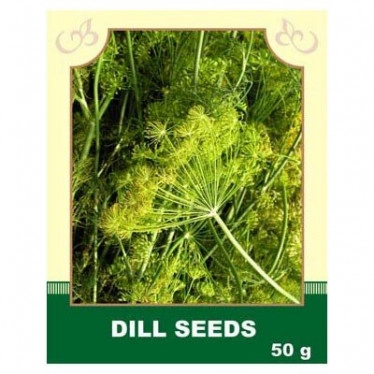
Dill Seeds 50g
$6.99
Internally: Taken for indigestion, insomnia, and spasms, angina, headaches, hypertension, vomiting, belching, hemorrhoids, and to stimulate appetite, for colic; for stimulating milk secretion in breastfeeding women. An infusion of dill seeds is used for liver and biliary tract diseases. Method of application and doses: Infusion: 1 tablespoon is poured with 1 glass of boiling water, infused for 15 minutes, strained. Take 1 tablespoon up to 6 times a day 15 minutes before meals in a cold form. Externally: Used in the form of compresses for eye diseases, for pustular skin lesions. Contraindications: Individual intolerance.
Product Overview
Dill (Anethum) in Medicine
Dill, also known as Anethum, is a popular herb that has been used for centuries for its medicinal properties. It is native to the Mediterranean region and is a staple in many cuisines around the world. In addition to its culinary uses, dill also offers a wide range of health benefits.
1. Digestive Health
Dill is known for its ability to aid in digestion. It contains compounds that can help reduce gas and bloating, as well as improve overall digestive function. It is often used to alleviate symptoms of indigestion and has been found to have antimicrobial and antispasmodic properties.
2. Anti-Inflammatory Properties
Dill contains antioxidants and anti-inflammatory compounds that can help reduce inflammation in the body. This makes it beneficial for individuals suffering from conditions such as arthritis and other inflammatory diseases.
3. Respiratory Health
Dill has been traditionally used as a remedy for respiratory issues such as coughs, bronchitis, and asthma. It has expectorant properties that can help relieve congestion and improve breathing.
4. Menstrual Health
Dill has been used in traditional medicine to help alleviate menstrual cramps and symptoms of menopause. It has been found to have a calming effect on the uterus and can help regulate menstrual cycles.
5. Antimicrobial Properties
Dill has been shown to have antimicrobial and antibacterial properties, making it effective in fighting off infections and promoting overall immune health.
6. Other Benefits
In addition to the above health benefits, dill is also rich in vitamins and minerals such as vitamin C, manganese, and iron. It also contains flavonoids that have been found to have anticancer properties.
How to Use Dill in Medicine
Dill can be consumed in various forms to reap its medicinal benefits. It can be used in teas, tinctures, or added to dishes as a seasoning. Its essential oil can also be used topically for certain ailments.
It is important to note that while dill offers many health benefits, it should be used in moderation and individuals should consult with a healthcare professional before using it as a treatment for any specific medical condition.
Note: This article is for informational purposes only and should not be considered medical advice.
Ingredients
- Dill seeds (Anethum graveolens)
- Essential oils (carvone, limonene, anethole)
- Vitamins (A, C, B-group)
- Minerals (calcium, potassium, magnesium)
- Flavonoids
- Fatty acids
How To Take
To prepare an infusion, pour 1 tablespoon of dill seeds into 1 glass of boiling water and steep for 15–20 minutes, then strain. Take 1/3 glass 3 times daily before meals. The infusion may be used to support digestion, relieve colic, reduce bloating, and stimulate milk production in breastfeeding women. Consult a healthcare professional before use.
Shipping + Returns
Shipping
We currently ship within the United States. Most orders are processed within 1–2 business days and delivered in 3–7 business days with standard shipping. Shipping costs are calculated at checkout, and tracking information is provided once your order ships.
Returns
Unused, unopened items may be returned within 7 days of delivery in their original packaging with proof of purchase. Opened supplements, medications, and certain personal care items are non-returnable. If you receive a damaged or incorrect item, please contact us within 48 hours of delivery. Refunds are processed after the returned item has been inspected.
For questions, please contact us at support@vitaminka.com