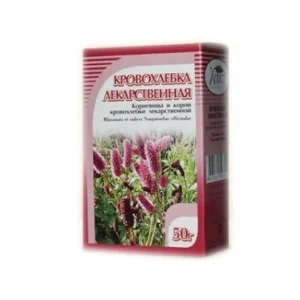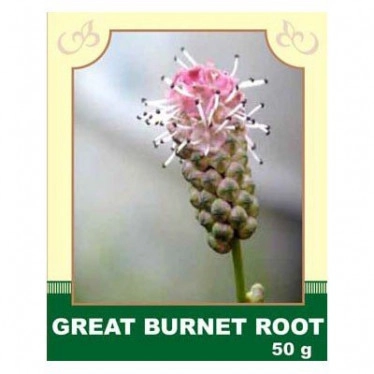
Great Burnet Root 50g
$7.99
Internally, it is taken as a binding, hemostatic, anti-inflammatory, analgesic, and bactericidal agent for inflammations of the mucous membranes, significant disorders of the functional activity of the stomach, intestines, diarrhea, hemorrhoids, uterine bleeding, and inflammatory skin processes. Steamed crushed roots are used for poultices in boils and leg ulcers. Method of application and dosage: Pour 2 tablespoons of raw material into 200 ml of boiling water, heat on a water bath with a closed lid for 30 minutes, infuse for 10 minutes at room temperature. Strain and take 1 tablespoon 5-6 times a day. Externally, steamed crushed roots are used for poultices in boils and leg ulcers. For douching, which is carried out 1-2 times a day, the decoction is diluted with warm boiled water (take 100 ml of the decoction for 900 ml of water). For leg ulcers, thrombophlebitis, make compresses from the plant’s tincture on 20% alcohol. Rinse children’s eyes with a decoction and make compresses for conjunctivitis. Contraindications: individual intolerance.
Product Overview
Great Burnet (Sanguisorba officinalis) in Medicine
Great Burnet, also known as Sanguisorba officinalis, is a perennial herb that has been used for medicinal purposes for centuries. This plant is native to Europe and Asia and is now also found in North America. It has a long history of use in traditional medicine and has recently gained attention for its potential health benefits.
One of the primary traditional uses of Great Burnet is its ability to stop bleeding. It contains tannins, which help to tighten and constrict tissues, making it useful for treating minor cuts, wounds, and nosebleeds. This herb was also used to treat diarrhea and dysentery due to its astringent properties.
In modern herbal medicine, Great Burnet is used for its anti-inflammatory and anti-microbial properties. It is often recommended for gastrointestinal issues, such as indigestion, bloating, and inflammation. Some studies have also suggested that Sanguisorba officinalis may have potential anti-cancer properties, although more research is needed to confirm this.
The roots and leaves of Great Burnet are typically used in herbal preparations, including teas, tinctures, and topical applications. It can also be consumed as a dietary supplement in capsule form. However, as with any herbal remedy, it is important to consult with a healthcare professional before using Great Burnet, especially if you are pregnant, breastfeeding, or taking other medications.
In conclusion, Great Burnet has a rich history of use in traditional medicine and is still used today for its potential health benefits. While more research is needed to fully understand its medicinal properties, this herb may offer a natural remedy for a variety of health issues when used responsibly.
Note: This article is for informational purposes only and should not be considered medical advice.
Ingredients
- Great Burnet root (Sanguisorba officinalis) — dried root
- Tannins (astringent compounds)
- Saponins
- Flavonoids
- Vitamin C (ascorbic acid)
- Essential oils
How To Take
Prepare a decoction by boiling 1 tablespoon of dried root in 200 ml of water for 15–20 minutes, then strain. Take 1 tablespoon orally 3–4 times daily before meals. For external use, apply the warm decoction as a compress or poultice to the affected area. Course of treatment is typically 2–3 weeks.
Shipping + Returns
Shipping
We currently ship within the United States. Most orders are processed within 1–2 business days and delivered in 3–7 business days with standard shipping. Shipping costs are calculated at checkout, and tracking information is provided once your order ships.
Returns
Unused, unopened items may be returned within 7 days of delivery in their original packaging with proof of purchase. Opened supplements, medications, and certain personal care items are non-returnable. If you receive a damaged or incorrect item, please contact us within 48 hours of delivery. Refunds are processed after the returned item has been inspected.
For questions, please contact us at support@vitaminka.com