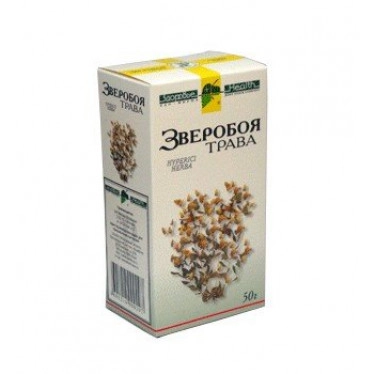
Herbs of St Johns Wort
$7.99
Internally, it is used for diseases of the digestive system, kidney diseases, bladder diseases, nocturnal enuresis, respiratory diseases, flu, weakness of the heart, pulmonary tuberculosis, oncological diseases, headaches, nervous diseases, as well as for roundworms. Method of application and dosage: 20 g of the herb is poured with 400 ml of boiling water and boiled on low heat until half, strained, and the remaining plant material is squeezed. The obtained infusion is brought to the original volume with boiling water. Take 1 tablespoon internally 3 times a day after meals. Externally, children with diatheses are washed with an infusion of St. John’s wort herb, compresses are applied for rashes and boils, and for diseases of the mammary glands. For external use, 2 tablespoons of raw material are poured with 200 ml of boiling water, infused until cooled. For douching, it is diluted with warm boiled water at a ratio of 1:5. Contraindications: individual intolerance.
Product Overview
The Medicinal Benefits of St John’s Wort Herb
St John’s Wort, also known as Hypericum perforatum, is a flowering plant with medicinal properties that have been used for centuries. This herb has become increasingly popular in the field of natural medicine, thanks to its various health benefits.
St John’s Wort contains numerous active compounds, including hypericin and hyperforin, which are believed to have antidepressant and anti-inflammatory properties. It is commonly used to treat mild to moderate depression, anxiety, and sleep disorders.
Research has shown that St John’s Wort may be as effective as prescription medications for certain mental health conditions, with fewer side effects. However, it’s important to consult a healthcare professional before using St John’s Wort, as it can interact with certain medications and may not be suitable for everyone.
In addition to its mental health benefits, St John’s Wort has also been used to treat various physical ailments. It is often used topically to help heal wounds, bruises, and burns, thanks to its anti-inflammatory and antibacterial properties. Furthermore, some studies suggest that St John’s Wort may have anti-viral and anti-cancer properties, although more research is needed to confirm these potential benefits.
When using St John’s Wort, it’s essential to follow the recommended dosage and guidelines provided by a healthcare professional. This herb is available in various forms, including capsules, tinctures, and teas, and can be found in many health food stores and online retailers.
In conclusion, St John’s Wort is a valuable herb with a wide range of medicinal benefits. Its natural antidepressant and anti-inflammatory properties make it a popular alternative to traditional medications for mental health conditions. However, it’s crucial to use this herb under the guidance of a healthcare professional, as it may interact with certain medications and may not be suitable for everyone.
Note: This article is for informational purposes only and should not be considered medical advice.
Ingredients
- St. John's Wort herb (Hypericum perforatum) — dried aerial parts
- Hypericin and pseudohypericin (active naphthodianthrone compounds)
- Hyperforin (phloroglucinol derivative)
- Flavonoids (quercetin, rutin, hyperoside)
- Tannins
- Essential oils
How To Take
Pour 20 g of dried St. John's Wort herb with 400 ml of boiling water and simmer over low heat until the volume reduces by half, then strain. Take 1/3 cup 2–3 times daily before meals. For external use, apply the decoction to affected skin areas as a compress or rinse. Consult your doctor before use.
Shipping + Returns
fawsfgsag