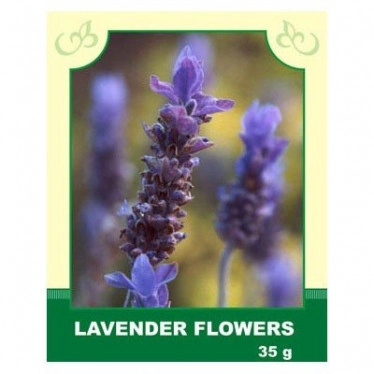
Lavender Flowers 35g
$7.99
Internally, lavender is taken as a sedative and calming remedy for migraines, neurasthenia, and tachycardia. It is also used as a diuretic and antispasmodic agent. Lavender helps normalize stomach acidity, increases appetite, lowers blood pressure, and promotes the flow of bile. Method of application and dosage: 20 g of raw material is poured with 400 ml of boiling water, infused until cooled, and strained. It is taken in doses of 1/2 cup 3-4 times a day. Externally, it is used as a rubbing agent for inflammation of the middle ear and as an analgesic for headaches, dislocations, and sprains. Externally, a tincture of the herb in sunflower oil is used for rubbing into affected areas: 1 part of the raw material is poured with 5 parts of unrefined sunflower or olive oil, infused for 1-2 months. Contraindications: individual intolerance.
Product Overview
The Medicinal Uses of Lavender (Lavandula officinalis)
Lavender (Lavandula officinalis) has been used for centuries as a medicinal herb. Its calming and soothing properties have made it a popular ingredient in traditional medicine and aromatherapy. In recent years, modern research has begun to uncover the many potential health benefits of lavender.
One of the most well-known uses of lavender in medicine is for its ability to promote relaxation and reduce stress. The aroma of lavender has been shown to have a calming effect on the nervous system, making it a popular choice for aromatherapy and relaxation techniques. Research also suggests that lavender may help improve sleep quality and reduce anxiety.
Lavender also has anti-inflammatory and analgesic properties, making it a valuable ingredient in the treatment of various skin conditions and minor injuries. Its natural antiseptic properties make it an effective treatment for minor cuts, burns, and insect bites. Some studies have even suggested that lavender can help promote wound healing.
In addition to its topical uses, lavender may also have internal health benefits. Some research has suggested that lavender may help improve digestive health and alleviate symptoms of stomach discomfort. It has also been studied for its potential effects on mood and cognitive function. While more research is needed in these areas, the initial findings are promising.
Overall, lavender has a long history of use in medicine and continues to be a popular choice for various health concerns. Whether used in aromatherapy, topical treatments, or internal use, lavender offers a natural and gentle approach to wellness.
Note: This article is for informational purposes only and should not be considered medical advice.
Ingredients
- Dried lavender flowers (Lavandula angustifolia)
- Natural essential oils (linalool, linalyl acetate)
- Flavonoids
- Tannins
- Coumarins
How To Take
Pour 400 ml of boiling water over 20 g of dried lavender flowers and steep until cooled, then strain. Take half a glass (approximately 100 ml) 2–3 times daily before meals. For aromatherapy, place dried flowers in a sachet or add to a warm bath. Consult a healthcare professional before internal use.
Shipping + Returns
Shipping
We currently ship within the United States. Most orders are processed within 1–2 business days and delivered in 3–7 business days with standard shipping. Shipping costs are calculated at checkout, and tracking information is provided once your order ships.
Returns
Unused, unopened items may be returned within 7 days of delivery in their original packaging with proof of purchase. Opened supplements, medications, and certain personal care items are non-returnable. If you receive a damaged or incorrect item, please contact us within 48 hours of delivery. Refunds are processed after the returned item has been inspected.
For questions, please contact us at support@vitaminka.com