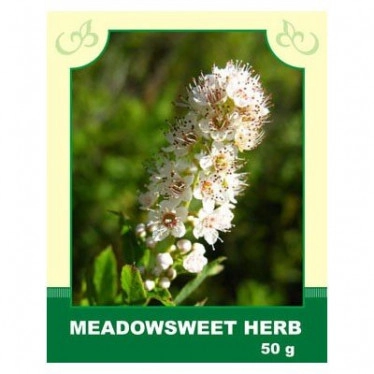
Meadowsweet Herb 50g
$7.99
Internally, lovage is taken for the following purposes: As an anti-inflammatory, analgesic, and diaphoretic remedy for flu and high temperature; In gout, rheumatism; For hysterical seizures, severe stomach and intestinal pain; For hemorrhoids, dysentery, and worms; As a diuretic for kidney and bladder diseases; Effective in treating upper respiratory tract infections, skin conditions, headaches, suffocation, and heart diseases. Method of administration and dosage: 3 tablespoons of finely crushed dry herb are infused in 250 ml of boiling water, heated in a water bath with the lid closed for 15 minutes, infused at room temperature for 45 minutes, strained, and consumed throughout the day in equal portions. Externally, lovage is used for: Treating dermatosis, wounds, ulcers, and furuncles; For leucorrhoea, bites of snakes or rabid animals. A ointment made from a powder of lovage roots, vaseline, and lanolin (in a ratio of 1:2:1) is used to lubricate affected areas in dermatosis and for rubbing in rheumatism. Contraindications: Individual intolerance.
Product Overview
Meadow-sweet in Medicine
Meadow-sweet, scientifically known as Filipendula ulmaria, is a perennial herb that has been used for centuries in traditional medicine. It is native to Europe and Western Asia and is known for its delicate white flowers and pleasant aroma. However, it is not just a pretty plant – meadow-sweet has a long history of medicinal use and contains several beneficial compounds that make it a valuable ingredient in herbal medicine.
Traditional Uses
In traditional medicine, meadow-sweet has been used to treat a variety of ailments, including fevers, respiratory issues, and digestive problems. It was also often used as a pain reliever and anti-inflammatory agent. The plant contains salicylic acid, which is a precursor to aspirin, making it an effective natural pain reliever.
Modern Uses
Today, meadow-sweet is still used in herbal medicine for many of the same purposes. It is often used to reduce fever, soothe sore throats, and ease digestive discomfort. The plant is also sometimes used topically to reduce inflammation and relieve minor aches and pains. Additionally, meadow-sweet is believed to have mild diuretic and anti-rheumatic properties.
Health Benefits
There is some evidence to support the use of meadow-sweet for certain health conditions. Studies have shown that the plant may have anti-inflammatory, antioxidant, and antimicrobial properties, which could make it useful in treating various health issues. Some research also suggests that meadow-sweet may have potential as a natural treatment for ulcers and arthritis.
How to Use
Meadow-sweet can be consumed in the form of teas, tinctures, or capsules. It can also be used topically in the form of a poultice or ointment. However, it is important to use caution when using meadow-sweet, as it contains compounds that could cause side effects or interact with certain medications. It is always best to consult with a healthcare professional before using meadow-sweet or any other herbal remedy.
Note: This article is for informational purposes only and should not be considered medical advice.
Ingredients
- Meadowsweet herb (Filipendula ulmaria) — dried aerial parts
- Flavonoids (rutin, quercetin)
- Salicylates (salicylaldehyde, methyl salicylate)
- Tannins
- Essential oils
- Phenolic glycosides (spiraeoside)
How To Take
Prepare an infusion by steeping 1–2 teaspoons (approximately 5–10 g) of meadowsweet herb in 200 ml of boiling water for 15–20 minutes, then strain. Take 1/3 to 1/2 cup (80–100 ml) 3 times daily, 20–30 minutes before meals. The infusion may be used internally for anti-inflammatory and diuretic purposes, or externally as a wash for skin conditions. Consult a healthcare professional before use.
Shipping + Returns
Shipping
We currently ship within the United States. Most orders are processed within 1–2 business days and delivered in 3–7 business days with standard shipping. Shipping costs are calculated at checkout, and tracking information is provided once your order ships.
Returns
Unused, unopened items may be returned within 7 days of delivery in their original packaging with proof of purchase. Opened supplements, medications, and certain personal care items are non-returnable. If you receive a damaged or incorrect item, please contact us within 48 hours of delivery. Refunds are processed after the returned item has been inspected.
For questions, please contact us at support@vitaminka.com