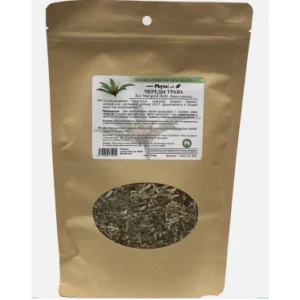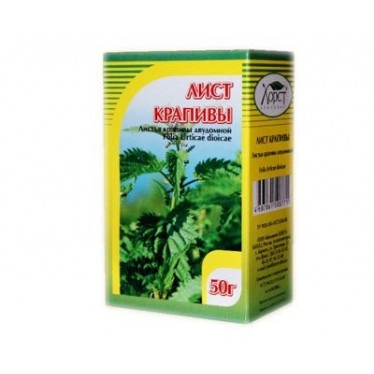
Nettle Leaves
$7.99
Internally, it is used for gout and rheumatism; kidney and bladder diseases; liver and gallbladder diseases; tuberculosis of the lungs; dysentery; as a hemostatic agent for pulmonary, renal, uterine, and intestinal bleeding; and for digestive disorders. Method of application and dosage: 2 tablespoons of raw material are poured with 200 ml of boiling water, heated in a water bath for 10-15 minutes, infused at room temperature for 45 minutes, squeezing out the remaining plant material. The obtained infusion is brought to the original volume, and it is taken in 1/4-1/2 cup 3-5 times a day before meals. Externally, nettle is applied for hypo- and avitaminosis, as well as for strengthening hair and treating furunculosis. Contraindications: individual intolerance, increased blood clotting, hypertensive disease, pregnancy, bleeding caused by cysts, polyps, and other tumors of the uterus and its appendages. Special caution for patients with kidney disease.
Product Overview
Nettle Leaf (Urtica dioica) in Medicine
Nettle leaf, also known as Urtica dioica, has been used for centuries as a natural remedy for a variety of ailments. This versatile herb is rich in nutrients and has been shown to have numerous health benefits. From reducing inflammation to supporting urinary health, nettle leaf is a valuable addition to any natural medicine cabinet.
The Benefits of Nettle Leaf
Nettle leaf is packed with vitamins, minerals, and antioxidants that make it a powerhouse of nutrition. It is particularly high in vitamin C, vitamin K, iron, and calcium, making it a great choice for boosting overall health. Additionally, nettle leaf has been found to have anti-inflammatory and diuretic properties, which can be beneficial for those suffering from conditions such as arthritis or urinary tract infections.
Nettle Leaf in Traditional Medicine
Nettle leaf has a long history of use in traditional medicine. In ancient times, it was often used to treat joint pain, allergies, and skin conditions. Nettle leaf was also valued for its ability to support kidney and urinary health. Today, many herbalists and naturopathic practitioners still recommend nettle leaf for these same purposes.
How to Use Nettle Leaf
Nettle leaf can be consumed in various forms, including as a tea, tincture, or capsule. For those who prefer a more direct approach, nettle leaf can also be used topically in creams or ointments. Regardless of the method of consumption, it is important to consult with a healthcare professional before using nettle leaf, especially if you are pregnant, nursing, or taking medication.
Conclusion
Nettle leaf (Urtica dioica) is a powerful herb with a wide range of medicinal properties. From its anti-inflammatory effects to its role in supporting urinary health, nettle leaf is a valuable natural remedy. Whether used alone or in combination with other herbs, nettle leaf has the potential to improve the well-being of those who incorporate it into their healthcare routine.
Note: This article is for informational purposes only and should not be considered medical advice.
Ingredients
- Dried nettle leaves (Urtica dioica)
- Vitamins C, K, B2, carotenoids
- Chlorophyll
- Iron, potassium, calcium minerals
- Antioxidant compounds
- Flavonoids and organic acids
How To Take
Place 2 tablespoons of raw material into 200 ml of boiling water, heat in a water bath for 10–15 minutes, then steep for an additional 15–20 minutes and strain. Take 1/3–1/2 cup 2–3 times daily before meals. For external use, apply as a compress to the affected area. Consult a doctor before use, especially if taking other medications.
Shipping + Returns
Shipping
We currently ship within the United States. Most orders are processed within 1–2 business days and delivered in 3–7 business days with standard shipping. Shipping costs are calculated at checkout, and tracking information is provided once your order ships.
Returns
Unused, unopened items may be returned within 7 days of delivery in their original packaging with proof of purchase. Opened supplements, medications, and certain personal care items are non-returnable. If you receive a damaged or incorrect item, please contact us within 48 hours of delivery. Refunds are processed after the returned item has been inspected.
For questions, please contact us at support@vitaminka.com