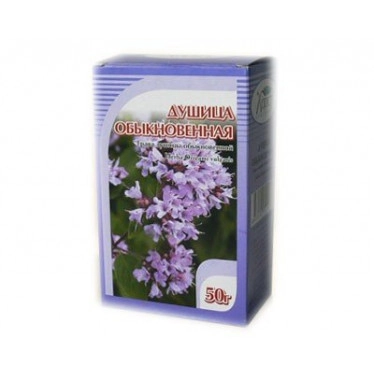
Origanum Leaves
$7.99
Internally, it is taken as an expectorant and diaphoretic for upper respiratory tract diseases, flu, and asthma. Also used as an anti-inflammatory, antimicrobial, and analgesic for rheumatism, paralysis, epilepsy; for atony of the intestines, to stimulate appetite and improve digestion; in gynecology – for uterine bleeding and women’s diseases; as a sedative for fainting and mental illnesses. Method of application and dosage: 2 tablespoons of raw material are poured with 200 ml of boiling water, infused for 45 minutes, strained. The obtained infusion is brought to the original volume. Taken orally in 1/2 cup 2 times a day, 15 minutes before meals. Externally, used as compresses for insomnia and headaches, and for washing the head with hair loss. 10 g of raw material is poured with 200 ml of boiling water, infused for 1 hour; for douching, 20-30 g of raw material is poured with 2-3 liters of boiling water, infused until cooled. Used in warm (!) form; for baths, 50 g of raw material is poured with 10 liters of boiling water, infused until completely cooled. Contraindications: individual intolerance, pregnancy, and for people with increased stomach secretion.
Product Overview
The Medicinal Uses of Marjoram Leaf (Origanum majorana)
Marjoram leaf, also known by its scientific name Origanum majorana, is an aromatic herb that has been used for centuries in traditional medicine. It is a member of the mint family and is native to the Mediterranean region. Marjoram leaf has a variety of medicinal properties and can be used in different forms for various health benefits. One of the primary uses of marjoram leaf in medicine is as a digestive aid. It has been used to relieve symptoms of indigestion, bloating, and gas. Marjoram leaf can help to soothe the stomach and promote healthy digestion. It may also have mild diuretic properties, which can help to reduce water retention and promote kidney health. Marjoram leaf is also known for its anti-inflammatory properties. It contains compounds that can help to reduce inflammation in the body. This can be beneficial for conditions such as arthritis, muscle pain, and respiratory issues. The herb can also act as a natural expectorant, helping to loosen and expel mucus from the respiratory tract. Additionally, marjoram leaf has been used to support cardiovascular health. It may help to lower blood pressure and improve circulation. Some studies have also suggested that marjoram leaf may have antimicrobial properties, making it useful for fighting infections. Marjoram leaf can be used in various forms for medicinal purposes. It can be consumed as a tea, taken as a supplement, or applied topically in the form of an essential oil. When using marjoram leaf for medicinal purposes, it is important to consult with a healthcare professional, especially if you are pregnant, nursing, or taking medication. It is also essential to use caution if you have any known allergies to plants in the mint family. Note: This article is for informational purposes only and should not be considered medical advice.
Ingredients
- Origanum vulgare (oregano) dried herb — active base
- Essential oils (carvacrol, thymol)
- Flavonoids
- Tannins
- Vitamins (C, B-group)
- Minerals (calcium, iron, manganese)
- Bitter substances and resins
How To Take
Prepare an infusion by steeping 1–2 teaspoons of dried herb in 200 ml of boiling water for 15–20 minutes, then strain. Take 1/3 to 1/2 cup 2–3 times daily before meals. For external use, use as a wash or compress on affected areas. Consult a healthcare professional before use.
Shipping + Returns
Shipping
We currently ship within the United States. Most orders are processed within 1–2 business days and delivered in 3–7 business days with standard shipping. Shipping costs are calculated at checkout, and tracking information is provided once your order ships.
Returns
Unused, unopened items may be returned within 7 days of delivery in their original packaging with proof of purchase. Opened supplements, medications, and certain personal care items are non-returnable. If you receive a damaged or incorrect item, please contact us within 48 hours of delivery. Refunds are processed after the returned item has been inspected.
For questions, please contact us at support@vitaminka.com