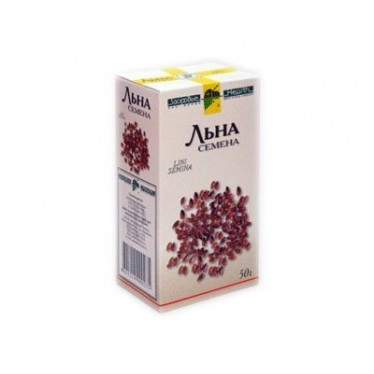
Flax Seeds
$8.99
Internally taken as an expectorant for bronchitis; as an enveloping, anti-inflammatory agent for gastritis, colitis, stomach ulcer, and duodenal ulcer; for inflammation of the urinary tract (pyelitis and cystitis). Method of application and dosage: 1 tablespoon of seeds is poured with 200 ml of boiling water. Stir for 15 minutes, strain, take in a warm form, 1/4 – 1/2 cup 3-4 times a day, 30 minutes before meals. The course of treatment is 2-3 weeks. Used externally in the form of compresses and poultices for furunculosis, mastitis, abscesses, lichen, eczema, burns, and wounds, for rinsing in the treatment of mouth ulcers. Contraindications: individual intolerance, cholecystitis, keratitis, acute intestinal dysfunction. Prolonged use is not recommended.
Product Overview
Flax Seed (Linum usitatissmum) in medicine
Flax seed, also known as linseed, is a popular ingredient known for its numerous health benefits. It has been used for centuries in traditional medicine and is now gaining popularity in modern medicine.
One of the key components of flax seed is its high concentration of omega-3 fatty acids. These essential fatty acids have been shown to have a wide range of health benefits, including reducing inflammation, improving heart health, and supporting brain function.
Flax seed is also a rich source of lignans, which are plant compounds that have antioxidant and estrogenic properties. Studies have suggested that lignans may have potential in reducing the risk of certain types of cancer, such as breast and prostate cancer.
Additionally, flax seed is high in fiber, which can promote digestive health and help regulate cholesterol levels. The high fiber content also makes flax seed a popular natural remedy for constipation.
Flax seed has also been studied for its potential in managing diabetes. Research has shown that the lignans and fiber in flax seed may help improve blood sugar control and reduce the risk of developing type 2 diabetes.
For those with high blood pressure, the omega-3 fatty acids in flax seed may help to lower blood pressure levels and reduce the risk of heart disease.
Furthermore, flax seed has been used as a natural remedy for menopausal symptoms, such as hot flashes and night sweats, due to its estrogenic properties.
It is important to note that while flax seed can offer numerous health benefits, it is essential to consult with a healthcare professional before incorporating it into your diet, especially if you have any existing medical conditions or are taking medications.
Note: This article is for informational purposes only and should not be considered medical advice.
Ingredients
- Flax seeds (Linum usitatissimum)
- Omega-3 fatty acids (alpha-linolenic acid)
- Dietary fiber (soluble and insoluble)
- Plant protein
- Lignans (antioxidants)
- Vitamins (B1, B6, folate)
- Minerals (magnesium, phosphorus)
How To Take
Pour 1 tablespoon of flax seeds with 200 ml of boiling water. Shake for 15 minutes, then strain. Take warm, 1/4–1/2 cup (50–100 ml) 3–4 times daily. Use as directed for respiratory, gastrointestinal, or urinary tract conditions.
Shipping + Returns
Shipping
We currently ship within the United States. Most orders are processed within 1–2 business days and delivered in 3–7 business days with standard shipping. Shipping costs are calculated at checkout, and tracking information is provided once your order ships.
Returns
Unused, unopened items may be returned within 7 days of delivery in their original packaging with proof of purchase. Opened supplements, medications, and certain personal care items are non-returnable. If you receive a damaged or incorrect item, please contact us within 48 hours of delivery. Refunds are processed after the returned item has been inspected.
For questions, please contact us at support@vitaminka.com