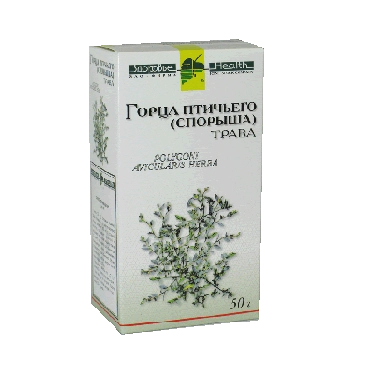
Knot Grass
$7.99
Internally, it is taken for uterine bleeding after abortion and in the postpartum period, for uterine fibroids, as well as for all internal bleeding; for diseases of the liver, kidneys, bladder, and stomach; for all lung diseases. Decoctions and infusions accelerate wound healing by increasing blood clotting, reduce the bleeding of mucous membranes, eliminate toxins and various harmful substances from the body, and enhance immunity. Method of application and dosage: 3 tablespoons of raw material are poured with 200 ml of boiling water, infused for 45 minutes, strained, squeezing out the remaining plant material. The infusion is brought to the original volume with boiling water. Take 1/3 cup 2-3 times a day before meals. Externally, in the form of baths, it is used for the prolapse of hemorrhoidal nodes and the rectum. Contraindications: Individual intolerance.
Product Overview
Introduction to Knot Grass
Knot grass, scientifically known as Polygonum aviculare, is a common weed found in many parts of the world. While it is often considered a nuisance in gardens and agricultural fields, knot grass has been used in traditional medicine for centuries due to its medicinal properties.
Medicinal Uses
Knot grass contains a variety of compounds such as flavonoids, tannins, and alkaloids that contribute to its medicinal properties. It has been used to treat a range of health issues, including:
- Anti-inflammatory properties: Knot grass has been traditionally used to reduce inflammation and swelling. It can be made into a poultice or tea to be applied topically or ingested to help with arthritis, joint pain, and other inflammatory conditions.
- Diuretic effects: Knot grass has diuretic properties, meaning it can increase urine production and aid in the flushing out of toxins from the body. It has been used to support kidney and bladder health and to help treat urinary tract infections.
- Wound healing: The astringent properties of knot grass make it useful for treating wounds, cuts, and sores. It can help stop bleeding, reduce infection, and promote the healing of damaged skin.
- Respiratory aid: Knot grass has been used to relieve symptoms of respiratory conditions such as coughs, colds, and asthma. It has expectorant properties, helping to clear mucus from the lungs and airways.
How to Use Knot Grass
Knot grass can be consumed as a tea, tincture, or supplement to take advantage of its medicinal properties. It can also be applied topically as a poultice, cream, or ointment for skin conditions. However, it is important to consult a healthcare professional before using knot grass, as it may interact with certain medications or be contraindicated for some individuals.
Conclusion
While knot grass is often overlooked as a mere weed, it has a long history of use in traditional medicine. Its anti-inflammatory, diuretic, wound healing, and respiratory properties make it a valuable herb for maintaining health and treating various ailments.
Note: This article is for informational purposes only and should not be considered medical advice.
Ingredients
- Polygonum aviculare (Knot Grass / Knotweed) aerial herb
- Flavonoids (avicularin, quercetin, kaempferol)
- Tannins
- Silicates and silicic acid
- Ascorbic acid (Vitamin C) and carotenoids
- Vitamin K
- Organic acids
How To Take
Prepare a decoction or infusion by adding 1–2 tablespoons of dried herb to 250 ml of boiling water and steeping for 20 minutes; strain before use. Take 1/3–1/2 cup orally 3 times daily before meals for internal conditions such as bleeding, kidney, or liver disorders. For wound care, apply cooled infusion as a compress or wash to the affected area. Always consult a physician before use, especially during pregnancy or when taking other medications.
Shipping + Returns
Shipping
We currently ship within the United States. Most orders are processed within 1–2 business days and delivered in 3–7 business days with standard shipping. Shipping costs are calculated at checkout, and tracking information is provided once your order ships.
Returns
Unused, unopened items may be returned within 7 days of delivery in their original packaging with proof of purchase. Opened supplements, medications, and certain personal care items are non-returnable. If you receive a damaged or incorrect item, please contact us within 48 hours of delivery. Refunds are processed after the returned item has been inspected.
For questions, please contact us at support@vitaminka.com