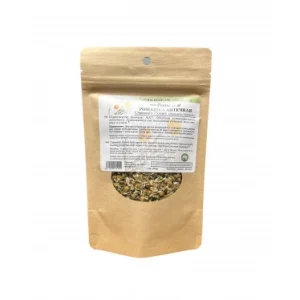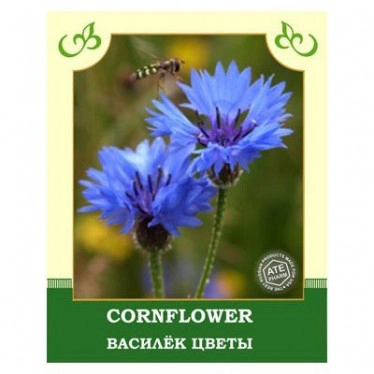
Cornflower 30g
$7.99
Internally, the infusion is used for colds, cough, constipation, stomach pains, kidney and bladder diseases, as a diaphoretic, and as a remedy for palpitations and headaches. Method of application and dosage: Infuse 1 teaspoon of violet for 1 hour in closed dishes in 1 glass of boiling water, cool, strain. Take 1/2 cup 3 times a day 15-20 minutes before meals. Externally, the infusion of flower petals is used as eye drops and compresses for certain eye diseases. Crushed plant material is applied to wounds to promote healing. Contraindications: Individual intolerance. The plant is weakly toxic, so caution should be exercised with dosage.
Product Overview
The Medicinal Uses of Cornflower in Traditional Medicine
Cornflower, also known as Centaurea cyanus, is a beautiful wildflower that has been used in traditional medicine for centuries. This vibrant blue flower has a long history of being used for its medicinal properties, and it continues to be valued for its health benefits today.
One of the most well-known uses of cornflower in traditional medicine is its ability to promote eye health. The flower contains compounds that can help to reduce inflammation and irritation, making it a popular remedy for conditions such as conjunctivitis and eye strain. It is often used to make herbal eye drops or as an ingredient in soothing eye washes.
In addition to its benefits for the eyes, cornflower is also believed to have a number of other medicinal properties. It is said to be a natural diuretic, helping to promote healthy kidney function and reduce water retention. It is also thought to have anti-inflammatory properties, making it a popular choice for treating conditions such as arthritis and rheumatism.
Cornflower has also been used to support respiratory health, with some traditional medicine practitioners using it to help alleviate symptoms of asthma and bronchitis. It is believed to have a calming effect on the respiratory system, making it easier to breathe and reducing coughing and wheezing.
Additionally, cornflower is said to have mild sedative properties, making it a popular choice for promoting relaxation and reducing anxiety. It is often used in herbal teas and tinctures to help calm the mind and promote a sense of well-being.
It is important to note that while cornflower has a long history of use in traditional medicine, more research is needed to fully understand its potential health benefits. As with any herbal remedy, it is always best to consult with a healthcare professional before using cornflower as a treatment for any medical condition.
Note: This article is for informational purposes only and should not be considered medical advice.
Ingredients
- Dried cornflower flowers (Centaurea cyanus)
- Anthocyanins (natural pigments)
- Flavonoids
- Tannins
- Bitter glycosides (cnicin)
- Mineral salts
How To Take
Pour 1 teaspoon of cornflower flowers into 1 cup (200 ml) of boiling water, cover, and steep for 1 hour; then cool and strain. Take 1/2 cup 3 times daily, 15–20 minutes before meals. For external use, apply the cooled infusion as a rinse, compress, or eye wash as needed. Do not exceed the recommended dosage without consulting a healthcare professional.
Shipping + Returns
Shipping
We currently ship within the United States. Most orders are processed within 1–2 business days and delivered in 3–7 business days with standard shipping. Shipping costs are calculated at checkout, and tracking information is provided once your order ships.
Returns
Unused, unopened items may be returned within 7 days of delivery in their original packaging with proof of purchase. Opened supplements, medications, and certain personal care items are non-returnable. If you receive a damaged or incorrect item, please contact us within 48 hours of delivery. Refunds are processed after the returned item has been inspected.
For questions, please contact us at support@vitaminka.com