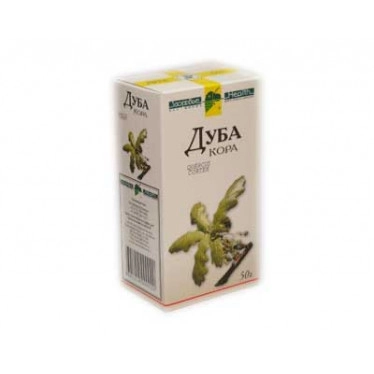
Dry Oak Bark
$6.79
Internally, decoction of oak bark is used as an astringent and anti-inflammatory remedy for stomach ulcers, gastric bleeding, blood in the urine, heavy menstrual bleeding, diarrhea, and frequent urges to urinate. Method of application and dosage: 40 g of roots are poured with 200 ml of boiling water, infused for 30-45 minutes, strained, squeezing out the remaining plant material. The decoction of the herb with boiled water is brought to the original volume and taken in 1 tablespoon 2-3 times a day. Externally, decoctions of the bark are used for rinsing in gingivitis, stomatitis, and other inflammatory processes in the oral cavity, pharynx, and larynx. Also, as compresses for burns, to stop bleeding from open wounds, and to reduce foot sweating. 20 g of bark is poured with 200 ml of boiling water, infused for 1 hour. Contraindications: individual intolerance. Overdose may cause nausea and vomiting.
Product Overview
The Medicinal Uses of Oak Bark: A Natural Remedy from the Quercus Family
Oak bark, derived from various species within the Quercus family, has been used for centuries as a natural remedy for a variety of ailments. The bark contains high levels of tannins, which have anti-inflammatory and astringent properties that make it a valuable ingredient in traditional medicine.
One of the most well-known uses of oak bark in medicine is its ability to treat diarrhea. The tannins present in oak bark help to reduce inflammation and soothe the digestive system, making it an effective treatment for this common ailment.
In addition to its anti-inflammatory properties, oak bark is also used as a natural remedy for skin conditions such as eczema, dermatitis, and rashes. The astringent qualities of the tannins help to tighten and tone the skin, reducing irritation and promoting healing.
Furthermore, oak bark is commonly used to treat sore throats and respiratory conditions. When used as a gargle or in a steam inhalation, the astringent and antimicrobial properties of oak bark can help to alleviate symptoms and promote recovery.
It is important to note that while oak bark has a long history of use as a natural remedy, it is essential to consult with a healthcare professional before using it, especially for pregnant or breastfeeding individuals, or those with underlying health conditions.
Note: This article is for informational purposes only and should not be considered medical advice.
Ingredients
- Oak bark (Quercus robur) — dried bark
- Tannins
- Flavonoids
- Gallic and ellagic acids
- Pectins and starches
- Phlobaphene
- Saponins and resins
How To Take
Pour 40 g of oak bark with 200 ml of boiling water, steep for 30–45 minutes, then strain, pressing the remaining raw material. For internal use, take the prepared infusion 2–3 times daily as an astringent and anti-inflammatory remedy. For external use, apply as rinses, compresses, or baths. Always consult a healthcare professional before use.
Shipping + Returns
Shipping
We currently ship within the United States. Most orders are processed within 1–2 business days and delivered in 3–7 business days with standard shipping. Shipping costs are calculated at checkout, and tracking information is provided once your order ships.
Returns
Unused, unopened items may be returned within 7 days of delivery in their original packaging with proof of purchase. Opened supplements, medications, and certain personal care items are non-returnable. If you receive a damaged or incorrect item, please contact us within 48 hours of delivery. Refunds are processed after the returned item has been inspected.
For questions, please contact us at support@vitaminka.com