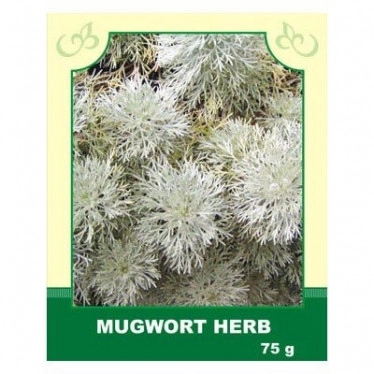
Mugwort Herb 50g
$7.99
Internally, the infusion is used to stimulate appetite, as an analgesic and sedative in cases of neurasthenia and intestinal colic. Applied as an infusion for gastritis, insomnia, spasms, and bronchial asthma in kidney stone disease. Method of application and dosage: Steep 1 teaspoon of wormwood in ¼ liter of boiling water and infuse for 10 minutes. Cool the tea and drink three times a day, one cup after meals. Externally, applied as compresses, rinses, and local baths for inflammation of the mammary glands, quick maturation of boils, toothache, and foot sweating. Contraindications: Individual intolerance, anemia, pregnancy. Consultation with a specialist is recommended before use.
Product Overview
The Medicinal Uses of Wormwood (Artemisia absinthium)
Wormwood, also known as Artemisia absinthium, is a perennial herb with a long history of medicinal use. It has been used for centuries in traditional medicine to treat a variety of ailments. This article will explore the medicinal uses of wormwood and its potential benefits in modern medicine.
Wormwood contains a compound called thujone, which is believed to have anti-inflammatory, antimicrobial, and antioxidant properties. In traditional medicine, wormwood has been used to treat digestive issues, such as indigestion, bloating, and loss of appetite. It has also been used as a natural remedy for fever, menstrual problems, and even as a de-worming agent.
In modern medicine, wormwood is being studied for its potential use in treating conditions such as malaria and cancer. Research has shown that the plant may have anti-parasitic and anti-cancer properties, although more studies are needed to confirm these findings.
Wormwood is also commonly known for its use in the production of the alcoholic beverage absinthe. However, it is important to note that the production and consumption of absinthe has been banned in many countries due to its high thujone content, which can be toxic in large amounts.
It is important to consult a healthcare professional before using wormwood or any other herbal remedy, especially if you are pregnant, nursing, or taking medications. While wormwood has a long history of use in traditional medicine, it is not without its potential risks and side effects.
In conclusion, wormwood has a rich history of use in traditional medicine and is currently being studied for its potential benefits in modern medicine. While more research is needed to fully understand its medicinal properties, wormwood shows promise as a natural remedy for a variety of conditions. As with any herbal remedy, it is important to use caution and seek professional medical advice before using wormwood.
Note: This article is for informational purposes only and should not be considered medical advice.
Ingredients
- Dried mugwort herb (Artemisia vulgaris)
- Absinthin (bitter glycoside)
- Essential oils (thujone, cineole)
- Flavonoids
- Tannins
- Organic acids
How To Take
Pour 1 teaspoon of mugwort herb into ¼ litre of boiled water and steep for 10 minutes. Allow the tea to cool, then drink one cup 3 times daily. Use as directed for appetite stimulation, gastrointestinal complaints, insomnia, or nervous conditions. Do not exceed recommended doses.
Shipping + Returns
Shipping
We currently ship within the United States. Most orders are processed within 1–2 business days and delivered in 3–7 business days with standard shipping. Shipping costs are calculated at checkout, and tracking information is provided once your order ships.
Returns
Unused, unopened items may be returned within 7 days of delivery in their original packaging with proof of purchase. Opened supplements, medications, and certain personal care items are non-returnable. If you receive a damaged or incorrect item, please contact us within 48 hours of delivery. Refunds are processed after the returned item has been inspected.
For questions, please contact us at support@vitaminka.com